
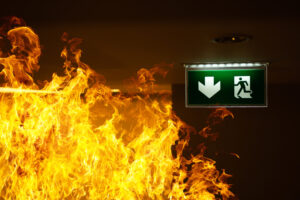
Supporting fire and life safety plans is a critical component of protecting people, property, and business continuity. While alarms, sprinklers, and emergency lighting systems should be the first line of defense, professional security guards are a great asset for supporting these systems and the people they are meant to protect.
Security personnel serve as the human link between fire prevention strategies and real-time emergency response. Their presence can dramatically improve how effectively organizations implement and maintain fire and life safety programs.
Why Supporting Fire and Life Safety Plans Matters
Every commercial property must have a structured fire and life safety plan. These plans are designed to:
- Prevent fire hazards
- Protect occupants
- Ensure safe evacuation
- Coordinate emergency response
- Minimize property damage
- Maintain compliance with local regulations
However, even the most well-written plan is ineffective without trained personnel to execute it. This is where security guards become essential.
The Role of Security Guards in Supporting Fire and Life Safety Plans
Fire Prevention and Hazard Identification
Security guards conduct routine patrols throughout a facility. During these patrols, they help with supporting fire and life safety plans by identifying potential hazards such as:
- Blocked emergency exits
- Improperly stored flammable materials
- Faulty electrical equipment
- Obstructed fire extinguishers
- Malfunctioning fire doors
By reporting and addressing these risks early, guards reduce the likelihood of emergencies before they occur.
Monitoring Fire Alarm and Life Safety Systems
Modern buildings rely on complex fire alarm and suppression systems. Security guards are often stationed at control panels or monitoring stations where they:
- Monitor fire alarm systems
- Respond immediately to alerts
- Verify alarm sources
- Contact emergency services
- Document incidents
Their quick response ensures that alarms are taken seriously and handled efficiently, minimizing confusion and delays.
Coordinating Emergency Evacuations
When an emergency occurs, panic can spread quickly. Security guards play a critical leadership role by:
- Guiding occupants to designated exits
- Assisting individuals with disabilities
- Preventing re-entry into unsafe areas
- Maintaining order during evacuation
- Communicating with first responders
Effective evacuation procedures are a core part of supporting fire and life safety plans, and trained guards ensure these procedures are followed correctly.
Acting as First Responders
Before firefighters arrive, security personnel are often the first on the scene. Many guards are trained in:
- Fire extinguisher use
- CPR and First Aid
- Emergency communication protocols
- Crowd control
This immediate response can contain small fires, provide life-saving assistance, and prevent situations from escalating.
Supporting Compliance and Documentation
Regulatory bodies require accurate documentation of safety inspections, drills, and incidents. Security teams assist by:
- Logging daily patrol reports
- Documenting alarm activations
- Recording maintenance issues
- Assisting during fire drills
- Supporting safety audits
Thorough documentation strengthens compliance and demonstrates a proactive approach to supporting fire and life safety plans.
Industries That Benefit Most From Security Support
While all properties benefit from fire safety integration, some industries particularly rely on security personnel:
- Healthcare Facilities: Protecting vulnerable patients
- Commercial High-Rises: Coordinating complex evacuations
- Industrial & Warehousing Facilities: Monitoring hazardous materials
- Residential Complexes: Assisting tenants during emergencies
In each of these environments, the human presence of trained security professionals adds a critical layer of protection.
Benefits of Integrating Security Guards Into Fire and Life Safety Plans
Organizations that prioritize supporting fire and life safety plans with dedicated security teams experience:
- Improved Emergency Response Time: Immediate action reduces risk and damage.
- Reduced Liability: Properly executed safety protocols lower legal exposure.
- Increased Occupant Confidence: Employees, tenants, and visitors feel safer knowing trained personnel are on-site.
- Stronger Regulatory Compliance: Security documentation supports inspections and audits.
- Enhanced Business Continuity: Faster recovery and minimized disruption after incidents.
Best Practices for Supporting Fire and Life Safety Plans With Security Guards
To maximize effectiveness, organizations should:
- Provide ongoing fire safety training for guards
- Conduct regular evacuation drills
- Integrate security teams into safety planning meetings
- Ensure guards understand building layouts and hazard zones
- Establish clear communication protocols with local fire departments
When security personnel are fully integrated into emergency preparedness planning, the entire system becomes more resilient.
CES is Dedicated to Serving Our Community
Since opening in 1975, we have been committed to serving businesses in the District of Columbia, Maryland, and Virginia. Our values include proactive communication, honesty, reliability, and quality. We also believe in paying unparalleled attention to detail, no matter which service you require us to provide.
Our services include the following: professional security teams for permanent, temporary, emergency, and rapid-response support; around-the-clock patrols and management attention; concierge and hospitality staffing; and a dedicated mobile patrol service with associated staffing. Contact us for a free professional consultation today! Call 443-471-7000. Don’t forget to follow us on social media through Facebook, Twitter, and LinkedIn!