
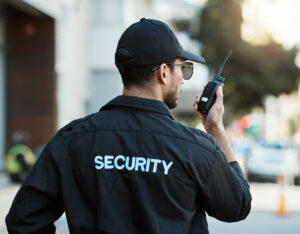
Disruptive behavior can quickly escalate if it’s not addressed properly. Whether it occurs in an office building, school, retail store, healthcare facility, or residential community, maintaining order and safety is essential. Many organizations rely on unarmed security professionals to manage these situations effectively. Understanding how unarmed guards handle disruptive behavior helps businesses and property managers feel confident in choosing the right level of security for their environment.
What Is Considered Disruptive Behavior?
Disruptive behavior can take many forms, ranging from minor disturbances to actions that threaten safety or operations. Common examples include:
- Verbal harassment or aggressive language
- Refusal to follow posted rules or staff instructions
- Trespassing or loitering
- Intoxicated or disorderly conduct
- Escalating arguments between individuals
Unarmed security guards are trained to recognize early warning signs and intervene before these behaviors become more serious.
Communication Is the First Line of Defense
One of the most important tools unarmed security guards use is clear, professional communication. Verbal de-escalation techniques are central to how unarmed guards handle disruptive behavior without resorting to force.
Guards are trained to remain calm, respectful, and non-confrontational while speaking with disruptive individuals. By listening actively, using neutral language, and setting clear boundaries, they can often defuse tense situations before emotions escalate. In many cases, simply acknowledging concerns and explaining expectations is enough to restore order.
De-Escalation Training and Conflict Resolution
Unarmed security guards receive specialized training in conflict resolution and de-escalation strategies. This training teaches guards how to:
- Identify emotional triggers and stress signals
- Maintain safe physical distance and body positioning
- Control tone, posture, and facial expressions
- Redirect behavior toward a peaceful resolution
Because they are not carrying weapons, unarmed guards focus heavily on preventing situations from becoming physical. This approach is especially valuable in settings such as schools, hospitals, and customer-facing businesses where a calm presence is critical.
Observation and Situational Awareness
Another key way unarmed guards handle disruptive behavior is through constant observation and situational awareness. Guards monitor body language, crowd dynamics, and environmental factors that could contribute to a disturbance.
By recognizing potential issues early, such as rising voices, erratic movement, or refusal to comply, guards can step in proactively. Early intervention often prevents minor disruptions from escalating into major incidents.
Enforcing Policies and Procedures
Unarmed security guards are well-versed in site-specific rules and procedures. When disruptive behavior occurs, they rely on established protocols rather than personal judgment alone.
This may include:
- Politely reminding individuals of posted rules
- Requesting compliance or asking someone to leave the premises
- Documenting incidents accurately and professionally
- Coordinating with management or on-site staff
Clear enforcement of policies helps maintain consistency and fairness while reducing the risk of confrontation.
Knowing When to Call for Backup or Authorities
While unarmed guards are highly effective at managing most disruptions, they are also trained to recognize when a situation is beyond their scope. Knowing when to escalate is a critical part of how unarmed guards handle disruptive behavior responsibly.
If an individual becomes violent, refuses to comply, or poses a serious threat, guards follow established escalation procedures. This may involve contacting supervisors, requesting additional security support, or calling local law enforcement to ensure everyone’s safety.
Professional Presence as a Deterrent
Sometimes, disruptive behavior never occurs because of the visible presence of an unarmed security guard. Professional appearance, confident posture, and routine patrols act as strong deterrents. Many people are less likely to act out when they know trained personnel are present and attentive. This proactive role reduces incidents before intervention is ever needed.
Why Unarmed Security Guards Are an Effective Choice
Unarmed security guards are often the ideal solution for environments that prioritize customer service, approachability, and non-threatening security measures. Their training emphasizes communication, awareness, and prevention, making them highly effective at maintaining order without escalating tensions.
Understanding how unarmed guards handle disruptive behavior highlights their value in creating safe, controlled, and welcoming environments for employees, customers, and visitors alike.
CES is Dedicated to Serving Our Community
Since opening in 1975, we have been committed to serving businesses in the District of Columbia, Maryland, and Virginia. Our values include proactive communication, honesty, reliability, and quality. We also believe in paying unparalleled attention to detail, no matter which service you require us to provide.
Our services include the following: professional security teams for permanent, temporary, emergency, and rapid-response support; around-the-clock patrols and management attention; concierge and hospitality staffing; and a dedicated mobile patrol service with associated staffing. Contact us for a free professional consultation today! Call 443-471-7000. Don’t forget to follow us on social media through Facebook, Twitter, and LinkedIn!